There are two core ideas that are at the heart of lean thinking:
- Process improvement: creating and delivering more value to our customers by reducing the waste in our processes and work; and
- Capability Development: Developing people and teams across the organisation to be able to do this.
The ultimate goal is to provide perfect value to the customer through a perfect value creation process that has zero waste.
Some people think about lean as a set of tools to remove waste, but lean is much more than that – it is a complete management and improvement system that combines a lean mindset, set of practices and tools. This combination is what sets lean apart from other improvement models.
Where did Lean Thinking originate?
The term “lean” was coined to describe Toyota’s production system during the late 1980s by a research team headed by Jim Womack, Ph.D., at MIT’s International Motor Vehicle Program.
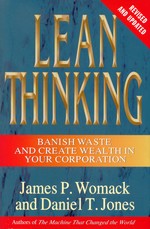
The characteristics of a lean organization and supply chain are described in Lean Thinking, by Womack and Dan Jones, founders of the Lean Enterprise Institute and the Lean Enterprise Academy (UK), respectively. While there are many very good books about lean techniques, Lean Thinking remains one of the best resources for understanding “what is lean” because it describes the thought process and the overarching key principles that must guide your actions when applying lean techniques and tools./